As solar energy becomes more efficient and competitive, the combination of bifacial solar panels and dual axis trackers is revolutionizing how much electricity we can generate from the same space. Together, they offer up to 60% higher output than traditional static, monofacial systems.
In this blog, we’ll explore how this powerful pairing works, where it works best, and how you can harness it to dramatically boost your savings.
What Are Bifacial Solar Panels?
Bifacial panels are advanced photovoltaic modules that absorb sunlight from both the front and back sides.
The front side faces the sun directly.
The rear side captures reflected sunlight from the ground (called albedo light).
Unlike traditional monofacial panels, bifacial panels can increase energy generation by 10–20% when mounted correctly.
How Do Bifacial Panels Capture Reflected Light?
When sunlight hits the ground beneath the panel, a portion of that light bounces back. Bifacial panels have:
Transparent backsheets or glass-glass designs
Photovoltaic cells embedded on both surfaces
If installed in an elevated position with a light-colored or reflective surface below (like white gravel, cement, or aluminum sheet), the rear side captures extra photons, turning them into more usable electricity.
Why Dual Axis Trackers Enhance Bifacial Performance
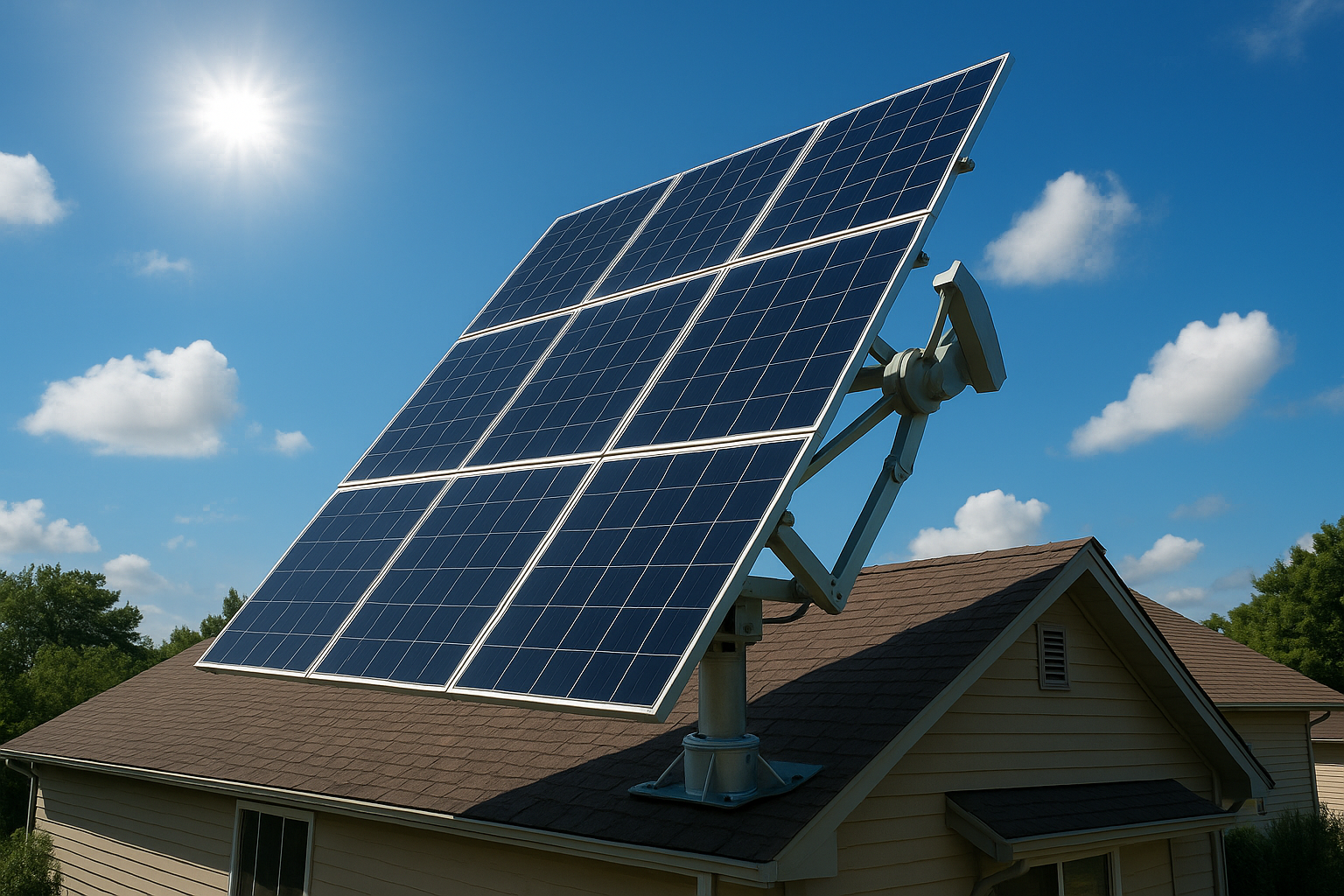
A dual axis tracker allows the panel to follow the sun’s movement throughout the day (east–west and tilt adjustment). This movement:
Maximizes front-side exposure to direct sunlight
Optimizes tilt angles to allow more light to reach the rear side
Reduces self-shading, allowing more ground light to reflect up
Maintains optimal angles across different seasons and times of day
This means bifacial panels on dual axis trackers can reach up to 60% higher total energy output compared to fixed monofacial systems.







Sunlogix